

 Back to Blogs
How to Coordinate Replacement Windows, Doors, and Siding
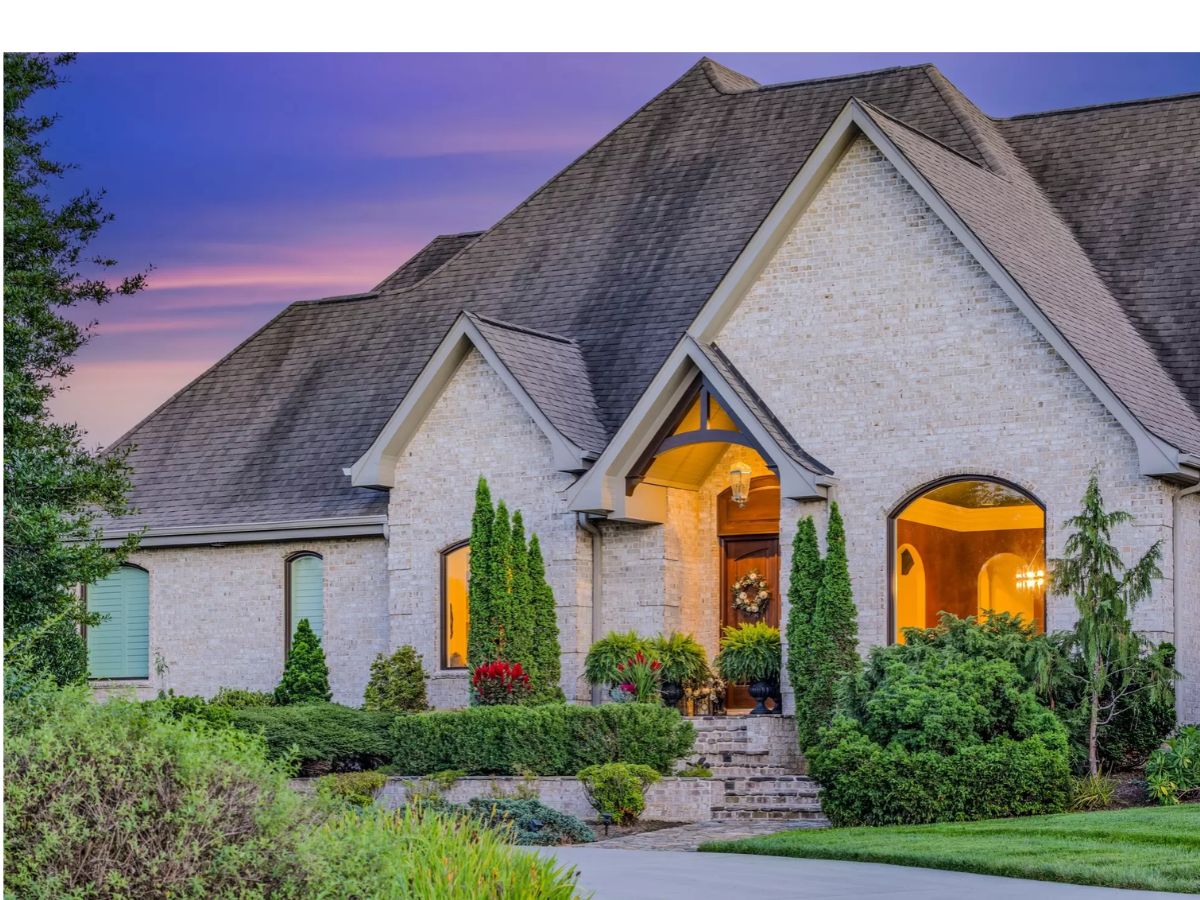
Exterior home replacement usually starts with one nagging problem, such as drafty windows or worn siding, and quickly becomes a design question. If one part of the house gets replaced, how should the new pieces work with everything that stays? Indianapolis homes deal with freeze and thaw winters and humid summers, so the answer affects comfort as well as curb appeal. This guide walks through how to plan the pieces so they look like they belong together.
Should You Replace Windows, Doors, and Siding at the Same Time?
Not always, but planning them together almost always produces a better result. Treating exterior home replacement as one coordinated project lets you choose colors and styles as a set instead of reacting to whatever is already on the house.
If your budget calls for phases, settle the final look first and then work in a sensible order. Vinyl siding is installed around window and door openings, so many homeowners start with replacement windows and entry doors before moving to siding. A Design Consultant can recommend the best sequence for your home.
How Do You Choose Colors That Work Together?
Start with what will not change. Roofing, brick, and stone set the overall color temperature, so every new choice should complement them.
Then work from the largest surface to the smallest:
- Vinyl siding covers the most area, so choose it first.
- Window frames should either closely match the siding or contrast with it on purpose.
- Entry doors are the natural spot for a bolder accent color.
- Shutters and gutters look best when they echo the trim or door color instead of adding a new one.
Look at samples outdoors in both morning and late afternoon light. A color that seems calm in a showroom can read very differently on a sunny south wall. Ask which colors and products are available before you commit to a combination.
Which Styles Suit Your Home’s Architecture?
Match the style to the era and shape of the house. Colonial and Cape Cod homes usually look right with double-hung windows and evenly spaced grids. Ranch homes often suit wider sliding or picture windows that emphasize a long, low roofline. Craftsman bungalows tend to carry simple window patterns that echo their trim.
Consistency matters more than any single choice. If the front windows have grids, keep that pattern across the entire front. If the entry door has glass, let its design respond to the windows nearby.
Homes in a historic district may face extra review for exterior changes. Those rules vary by neighborhood, so check with your local historic preservation office before you finalize a plan.
What Mistakes Should You Avoid?
Most coordination problems in exterior home replacement come from small decisions made in isolation:
- Choosing each product separately instead of planning the whole front of the house.
- Picking colors from a small indoor sample.
- Forgetting that brick, stone, and roofing will stay the same.
- Using too many accent colors, which makes a house look busy.
- Relying on the ENERGY STAR logo alone without reading the NFRC label.
How Do Indianapolis Weather and Upkeep Affect Your Choices?
Indianapolis exteriors work hard. Winters bring freezing temperatures and freeze and thaw cycles, summers bring heat and humidity, and spring storms can test every seam and edge. Those conditions are a good reason to treat the exterior as one system instead of a set of separate parts.
Gutters, for example, help carry water away from siding and windows. Vinyl siding also suits homeowners who want simple upkeep, since routine cleaning with mild soap and water is typically all that is needed. Check your product information for care guidance that fits your warranty. Professional installation matters here too, because the details around openings are where weather tends to find a way in.
What Should You Know About Energy Performance?
New exterior products can improve comfort, but the label tells you more than the marketing does. ENERGY STAR sets window criteria by climate zone, and certified windows carry an NFRC label listing the U-factor and solar heat gain coefficient. ENERGY STAR also suggests confirming in your contract that windows are certified for your installation location.
A lower U-factor generally indicates better resistance to heat flow through the window. Low-E glass has a thin coating that helps control heat transfer, and argon gas between the panes improves insulating performance, as the Department of Energy explains in its window technology overview. Actual savings depend on your home and how you use energy, so we do not promise exact numbers.
How Does the Process Work With Window World?
It starts with a free consultation. A Design Consultant visits your home, listens to your goals, and reviews window styles, door options, and siding choices with you. You then receive a Free In-Home Quote for the products you selected.
Professional installation follows, guided by applicable local building codes and installation requirements. Window World backs its products with a limited lifetime warranty. Restrictions may apply. For complete details, see the warranty at your nearest Window World store.
Ready to Plan an Exterior That Matches?
Window World of Indianapolis is Locally Owned. Nationally Known. If you are weighing windows, doors, and siding together, visit our website to request a Free In-Home Quote and talk through colors and styles with a Design Consultant.
Frequently Asked Questions
-
Many homeowners start with windows and entry doors because siding is installed around those openings. A Design Consultant can recommend the right order for your home.
-
Yes. Choose one main color and one accent, such as a bolder entry door, so the exterior looks planned rather than busy.
-
It means the window meets ENERGY STAR criteria for U-factor and solar heat gain in a specific climate zone, as shown on its NFRC label.
-
Shutters and gutters are among our product categories, but availability can vary by location. Ask your Design Consultant what is available for your project.
-
Timelines depend on project size, product lead times, and scheduling. Your Design Consultant can share a timeline with your Free In-Home Quote.