

 Back to Blogs
How to Choose Replacement Windows That Match Your Home Architecture
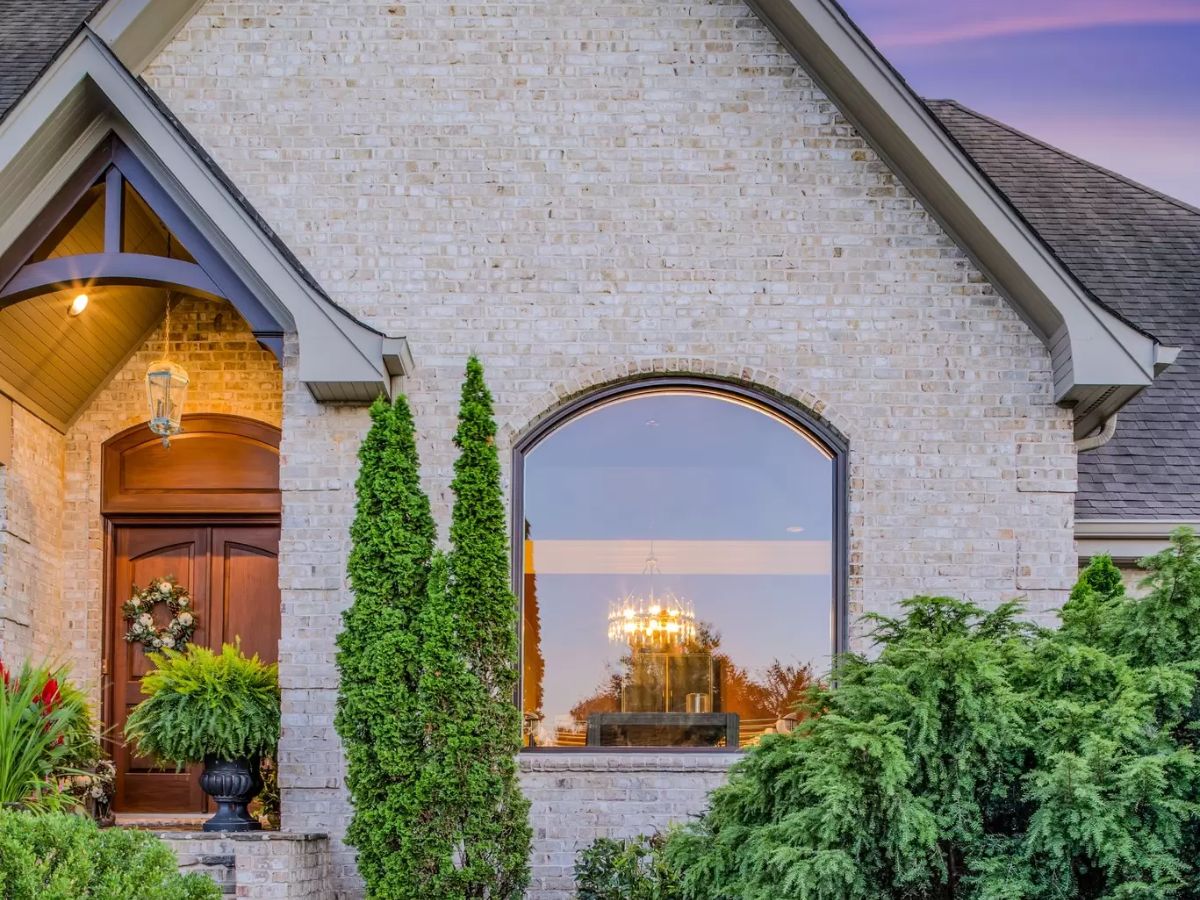
Your home's architecture, layout, and existing features all play an important role in selecting replacement windows. Understanding how to choose replacement windows means considering factors such as window styles, frame materials, grid patterns, and proportions. The right combination can complement your home's architectural character while supporting functionality and overall performance. This guide explores what to consider when comparing window options and finding designs that suit your home's appearance and practical needs.
Why Does Architecture Matter More Than Trends?
Windows are among the most visible details on a house, so they shape curb appeal more than almost any other exterior element. Trends change, but your home’s proportions, roofline, and trim stay put. Choosing windows that respect those features keeps the house looking cohesive for years.
Start by standing across the street. Note the window shapes, the spacing, and whether the existing windows have grids.
Which Window Style Fits Your Type of Home?
Indianapolis neighborhoods include a wide range of housing, so treat these as starting points rather than strict rules.
Colonial and Cape Cod Homes
Double-hung windows with even spacing and traditional grid patterns suit the symmetry of these homes. Keep the grid pattern consistent on every window facing the street, and keep the spacing between windows even so the front keeps its balanced look.
Ranch Homes
Horizontal emphasis works well. Sliding windows and wide picture windows with smaller operating windows beside them complement a long, low profile.
Craftsman Bungalows
Simple, balanced patterns echo the trim. Ask your Design Consultant which window styles and grid options are available to match the look of your existing openings. Bungalows often feature a distinctive front window, so decide whether it should stay a focal point before you plan the rest.
Newer and Two-Story Homes
Newer homes often have simpler openings. Focus on consistent sizes, a frame color that works with the siding, and a pattern that repeats across the front.
Which Details Change the Look the Most?
Three details do most of the work:
- Grid pattern: Match the original style, or leave grids off every window on that side of the house.
- Frame color: Relate it to the siding and trim, either as a close match or a clear contrast.
- Proportion: Keep sightlines similar to the old windows so the new ones do not look too small or too heavy in their openings.
Homes in a historic district may have review requirements for exterior changes. These vary by neighborhood, so confirm them with your local historic preservation office before ordering.
How Do Glass and Energy Ratings Fit In?
Appearance gets you to a short list, and performance should pick the winner. That is where how to choose replacement windows becomes practical.
Insulating glass uses two sealed panes. Low-E glass has a thin coating that helps control heat transfer, and argon gas between the panes improves insulating performance, according to the Department of Energy’s window technology overview. The NFRC label lists the U-factor and solar heat gain coefficient. A lower U-factor generally indicates better resistance to heat flow through the window.
ENERGY STAR sets criteria by climate zone, so ask for windows certified for your installation location. Exact savings depend on your home, so we do not promise specific numbers.
How Do Indianapolis Weather and Sun Exposure Affect Window Choices?
Indianapolis has cold winters and hot, humid summers, so a window works in both directions. In winter, a lower U-factor helps limit heat loss. In summer, solar heat gain matters most on sun-facing sides of the house, where west-facing rooms can get warm in the afternoon.
Ask your Design Consultant whether different glass options make sense for the sunniest sides of your home.
What Should You Ask Before You Decide?
A short list keeps the decision focused:
- Is this window ENERGY STAR certified for my location, and where can I see the NFRC label?
- Does the grid pattern match my home’s style on every side?
- Which colors and styles are available for this product?
- How will the windows be installed, and what is covered by the limited lifetime warranty?
Restrictions may apply. For complete details, see the warranty at your nearest Window World store.
What Happens During a Design Consultation?
The process starts with a free consultation. A Design Consultant visits your home, looks at the existing openings, and talks through styles, colors, and glass options with you. You then receive a Free In-Home Quote based on the choices you make together.
Professional installation follows, guided by applicable local building codes and installation requirements. Seeing samples next to your actual siding and trim makes the final call far easier than any online photo. That hands-on conversation is the heart of how to choose replacement windows with confidence, because it connects style, glass, and installation in one decision.
Ready to See Which Windows Fit Your Home?
Once you have a sense of your home’s style, the next step is seeing real options in your own openings. Contact us to set up a Free In-Home Quote, and bring photos of any look you admire. Window World of Indianapolis is Locally Owned. Nationally Known. A Design Consultant will help you narrow the choices, answer questions about glass and installation step by step, and show you exactly how each option looks against your siding and trim.
Frequently Asked Questions
-
Often, yes, but the new style should still suit your home’s architecture and openings. A Design Consultant can review what works for each opening.
-
Grids are primarily a design choice. Choose them to match your home’s style, and check the NFRC label for performance information.
-
Not necessarily. Efficiency depends on the glass package, frame design, and installation, so compare NFRC ratings for the specific window you are considering.
-
Some do. Rules vary by neighborhood and city, so confirm requirements with your local historic preservation office before you order.
-
Matching style, grid pattern, and frame color across the front usually looks most cohesive, even when interior needs differ from room to room.