

 Back to Blogs
How to Choose the Right Replacement Windows for Every Room in Your Indianapolis Home
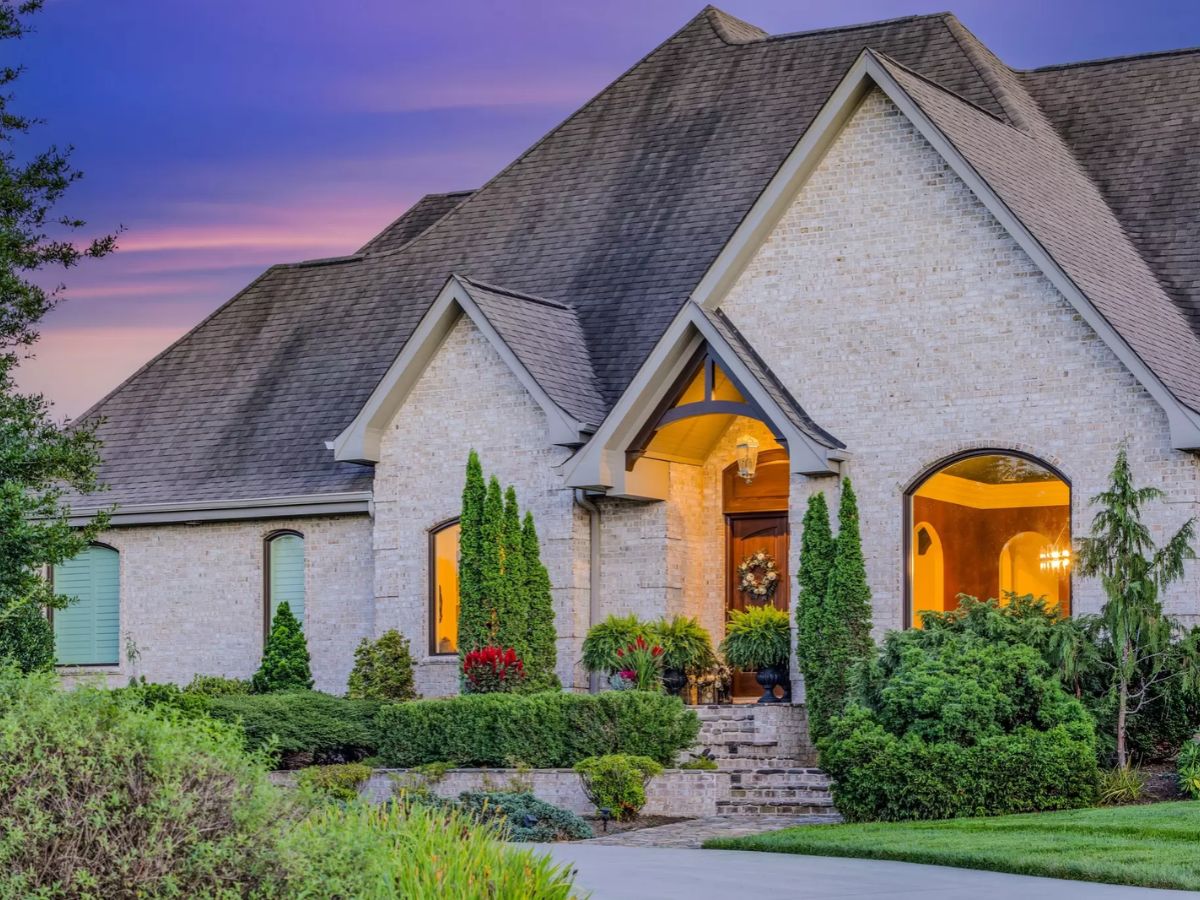
Your kitchen window sticks every July. The bedroom one whistles in January, and the living room glass looks cloudy no matter how often you clean it. That is usually when homeowners start searching for how to choose the right replacement windows, and the honest answer is that one style rarely suits every room.
At Window World of Indianapolis, we start with a simple idea. Each room asks something different of a window, so the choice should follow the room.
How to Choose the Right Replacement Windows Room by Room
The best replacement window for a room depends on three things: how you use the space, how much sun it gets, and whether the window needs to open.
Start with a quick walk-through. Note which windows stick, which ones feel drafty, and which rooms get hot by mid-afternoon. Those notes become your shopping list, and they give your Design Consultant something concrete to work from during your consultation.
Our replacement windows are all vinyl, with insulated glass and a finish that never needs painting. That leaves the real decisions in shape, opening type, and glass.
Which Window Style Works Best in Each Room?
Kitchens
Casement and awning windows often work well in kitchens. A crank handle is easier to reach over a counter than a heavy sash, and a casement or awning window can open for fresh air on a rainy day. Over the sink, a garden window adds a small shelf for herbs and opens up the visual space.
Bedrooms
Bedroom windows have a safety job, because someone may need to climb out in an emergency. Opening size requirements vary by location, so ask about local building codes before you decide. Double-hung windows offer the best balance of style, function, and technology, and they fit most bedroom walls.
Living rooms and front elevations
A picture window frames a view but doesn't open, so many homeowners pair it with operable windows beside it. On the front of the house, bay and bow windows add dimension from the street. Architectural shapes can crown a window group or serve as a dramatic accent.
Bathrooms and basements
Moisture and privacy drive these choices. A high awning window lets humid air out without opening up a view. Sliding windows suit wide, shallow openings, such as basement walls, because the sash moves side to side.
Home offices and hard-to-reach openings
Rooms where you spend long hours need glare control and fresh air. A home office with a west wall can get harsh afternoon light, so glass choice matters there as much as style. Windows above a tub, a staircase, or a deep sink are hard to reach, so a crank-operated casement or awning usually beats a heavy sash you have to lift.
How Do Glass and Sun Exposure Change the Choice?
Glass decides how a window handles heat, and that matters more on some walls than others. A south- or west-facing room can heat up fast on summer afternoons. Window World describes its SolarZone™ Low-E coatings as designed to block summer heat gain while letting in winter warmth.
Three terms are worth knowing. Low-E glass carries a microscopic metallic coating that controls heat flow. Argon is a colorless, nonreactive gas between the panes that slows heat transfer. U-factor measures how well the whole window resists heat flow, and a lower number generally means better resistance.
Indianapolis has humid summers and cold winters, so glass performance gets tested twice a year. Look for ENERGY STAR® and NFRC labels, then ask which products carry them.
Do Patio Doors Belong in the Same Plan?
If a room opens onto a deck or yard, treat the door as part of the window plan. Matching sightlines and glass on both sides make the wall look finished. We offer sliding and hinged vinyl patio doors so you can compare them in the same visit. Availability can vary by location, so ask your Design Consultant.
Three Shortcuts Worth Skipping
First, pick one style for the whole house to keep things simple. Second, ignore which way each wall faces. Third, treat installation as an afterthought. Our guide to common replacement window mistakes goes deeper on quotes, ratings, and warranties. Our look at replacement window features explains what to compare once your styles are set.
What Should You Ask Before You Commit?
Before you sign anything, use these questions to guide how to choose the right replacement windows:
- Does this style match the other windows on the same side of the house?
- Which glass package comes standard, and which products carry ENERGY STAR labels?
- Who installs the windows, and how do they handle local building codes?
- What does the limited lifetime warranty cover, and what restrictions apply?
If you are unsure how a style will look, our Visualizer lets you upload a photo of your own home and try different windows on it.
Why Installation and Warranty Matter as Much as the Window
A well-made window can still leak air if it is measured or sealed poorly. We do not recommend DIY installation. Our process starts with a Design Consultant who reviews your options, then a professional installation team handles your custom-made products and ensures local building codes are met.
Our windows and patio doors carry a limited lifetime warranty. Restrictions may apply. For complete details, see the warranty at your nearest Window World store, or read the warranty information online.
If the full project feels like a lot at once, financing options are available. Subject to credit approval. See store for details.
Ready to Match Your Windows to Your Rooms?
If you are still deciding how to choose the right replacement windows, list the rooms that frustrate you most. Then book a Free In-Home Quote, and let a Design Consultant help you choose styles and glass room by room. You can request a Free Quote online or reach us through Contact Us. We serve Indianapolis, Carmel, and the surrounding service areas.
Frequently Asked Questions
-
Not necessarily. Matching styles on the same side of the house looks cleaner, but kitchens, bedrooms, and basements often need different opening types.
-
Casement, awning, and garden windows are common choices. They are easy to reach over a counter, and garden windows add a shelf.
-
They can. Opening size requirements vary by location, so confirm local building codes with your Design Consultant before choosing a bedroom window.
-
Look for Low-E glass, argon insulation, and a lower U-factor. Ask which products carry ENERGY STAR and NFRC labels.
-
Rank rooms by how much they bother you, then ask about financing. Subject to credit approval. See store for details.