

 Back to Blogs
Fiberglass vs. Steel Entry Doors: Which Is Better?
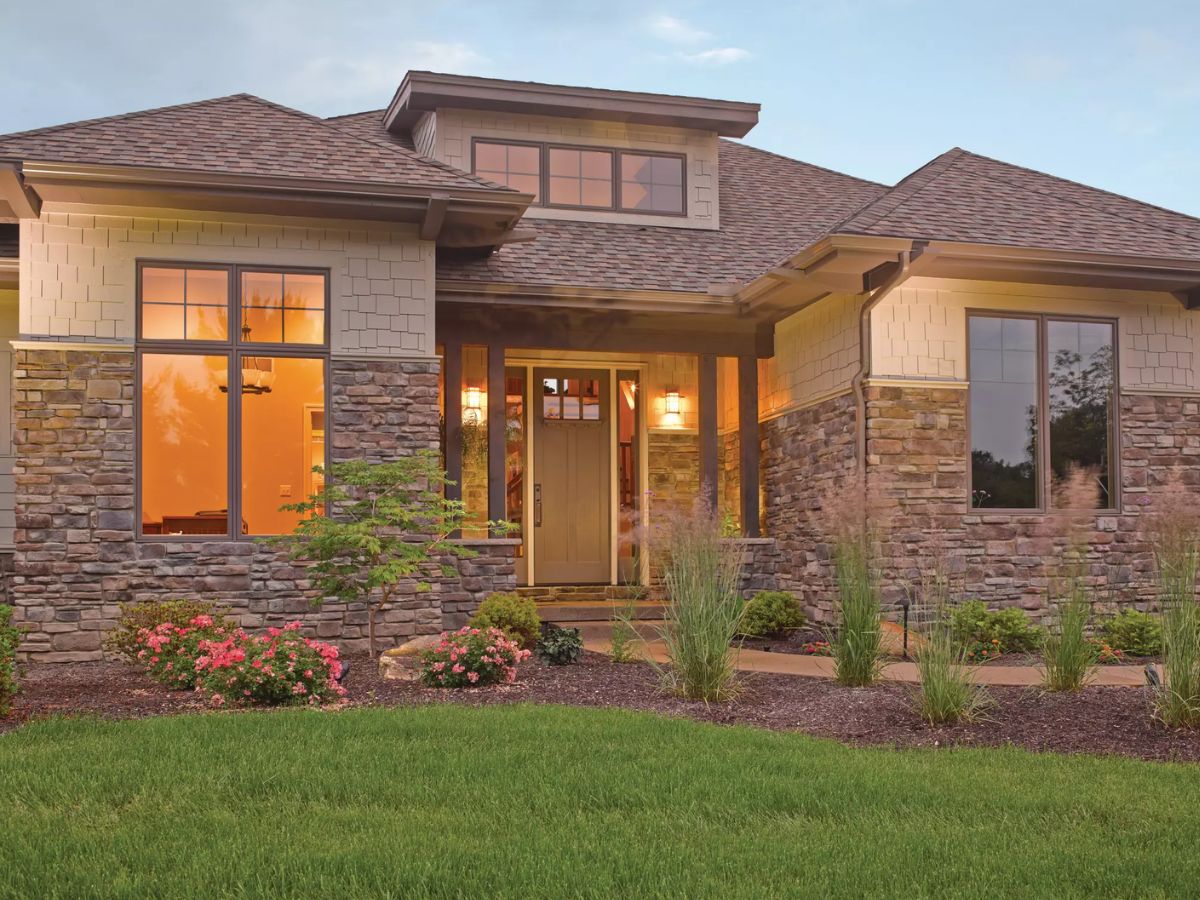
A front door takes more abuse than most homeowners admit. It swings open a dozen times a day, faces the weather, and takes the occasional bump from a stroller or a grocery bag. When comparing fiberglass vs. steel entry doors, it comes down to how each material handles that daily wear.
At Window World of Indianapolis, we install fiberglass entry doors, so that we will be upfront about that. We will also explain where steel holds its own so that you can judge for yourself.
Fiberglass vs. Steel Entry Doors: The Short Answer
Fiberglass tends to win on dents, rust, and wood-look styling, while insulated steel and fiberglass doors both perform well on energy. Neither material is better for every home; your choice depends on what bothers you about your current door. If it has dents, rust, or a worn finish, fiberglass is worth a close look.
The U.S. Department of Energy says insulated steel and fiberglass doors are both more energy efficient than wood. That means energy alone rarely settles this debate.
How Each Material Handles Dents and Rust
Steel can dent when something hits it hard, and if the finish is breached, bare metal can rust. That is a general trait of the material, and it is the main reason homeowners look elsewhere.
Our Woodgrain Entry Doors page says our fiberglass skin will not dent or rust like steel. It also says fiberglass will not rot, warp, twist, or bow like wood. That is a Window World product claim, so ask to see a sample and judge the surface yourself.
Which Door Keeps Heat In Better?
Start with R-value, which measures resistance to heat flow. A higher number means better resistance. The Department of Energy says most insulated steel and fiberglass entry doors without a window are rated roughly R-5 to R-6.
Our Woodgrain Entry Doors page describes an energy-efficient design with insulation, and says it offers up to four times the insulation value of wood. We don't promise specific savings because results depend on your home, your installation, and the door you choose.
Glass changes the math, too. A door with a window usually performs differently than a solid one, so look for ENERGY STAR® and NFRC labels, and ask which products carry them.
Looks, Texture, and Finish
This is where fiberglass pulls ahead for many homeowners. Our Woodgrain Entry Doors use textures that mimic oak, mahogany, and cedar, and they come painted or stained.
Our Smooth Entry Doors are paintable, and our Modern Entry Doors feature clean lines and angular designs. Steel doors are usually painted, so the finish range is typically narrower.
Our Visualizer lets you upload a photo of your home and preview a door before you decide.
What About Security?
Material is only part of door security—hardware, the frame, and the installation matter just as much. Our Woodgrain Entry Doors page lists multi-point hardware options and an electronic lockset. Ask which locks come standard, which are optional, and whether the door can accept sidelites.
We recommend asking any installer how the door is fastened to the frame and which locks come with it. A strong slab with weak hardware still leaves a weak entrance.
How Does an Indiana Climate Affect Your Choice?
Indianapolis winters bring freeze-thaw cycles, and summers get humid. A door that swells, sticks, or shows rust at the edges is a common frustration. Our entry doors page says our fiberglass doors resist extreme weather without rotting, warping, or twisting. We recommend closely inspecting the door’s edges and bottom in samples, since those areas usually see the most moisture.
Fit and sealing matter as much as material, so weatherstripping and professional installation deserve as much attention as the door itself.
Everyday Care and Maintenance
Both materials ask for little, but not nothing. Wipe the door with mild soap and water, and follow the care instructions that come with it. Once a year, check the weatherstripping and threshold for gaps or wear.
If you notice daylight around a closed door, ask your installer what to do instead of modifying the door yourself.
Which Door Fits Which Home?
Fiberglass tends to fit best when:
- You want the look of stained wood without the upkeep that comes with real wood.
- Your current door is dented, rusting, sticking, or fading.
- You want a choice of glass, sidelites, and hardware styles.
An existing steel door may still be a reasonable choice when:
- It is in good shape, and the finish is intact.
- You like its look and its performance for your household.
- Your budget makes it better to wait a few years.
Our guide to choosing a replacement entry door covers style and fit in more detail.
Installation, Warranty, and Budget
We do not recommend DIY installation for entry doors. Our process starts with a Design Consultant, who helps you choose a door and provides a quote. A professional installation team then installs your custom-made door and ensures it meets local building codes.
Our Woodgrain Entry Doors page lists a limited lifetime warranty. Restrictions may apply. For complete details, see the warranty at your nearest Window World store, or read our warranty information online.
Our entry doors page says select entry doors have been granted the Good Housekeeping Seal. Read about the seal at goodhousekeeping.com.
Price depends on the line, glass, and size, so a quote is the only reliable way to compare. Financing options are available. Subject to credit approval. See store for details.
Ready to See a Fiberglass Door in Person?
Bring a photo of your entrance and note what bothers you most about the current door. Then book a Free In-Home Quote. A Design Consultant can walk the doorway with you and compare lines, glass, and finishes.
You can request a Free Quote online or reach us through Contact Us. We serve Indianapolis, Carmel, and the surrounding service areas. You can also browse all of our entry doors first.
Frequently Asked Questions
-
Neither wins everywhere. Our product page says fiberglass resists dents and rust, and both insulated types outperform wood in energy efficiency.
-
Our Woodgrain Entry Doors have textures that mimic oak, mahogany, and cedar, and they come painted or stained.
-
Our Smooth Entry Doors are paintable. For other lines, ask your Design Consultant before applying a finish to protect your warranty.
-
Our Woodgrain page describes an energy-efficient design with insulation. Compare U-factor, R-value, and ENERGY STAR labels before you decide.
-
Financing is available. Subject to credit approval. See store for details.